
A Mesa Plumber Explains How to Use a Plumbing Snake
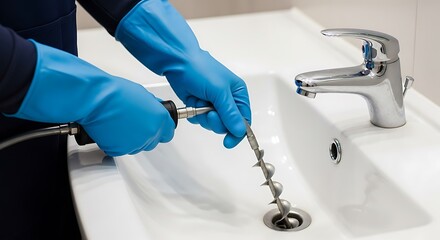
Clogged drain slowing you down? You are not alone. Whether it is a bathroom sink, shower, or kitchen drain, clogs are one of the most common plumbing problems homeowners face.
The good news is you can often fix it yourself with a simple tool called a plumbing snake.
In this guide, we will walk you through exactly how to use a plumbing snake safely and effectively, so you can clear clogs and get your water flowing again.
What Is a Plumbing Snake
A plumbing snake, also known as a drain auger, is a flexible steel cable designed to break up or pull out clogs inside your pipes.
You feed the cable into the drain, rotate it to grab or break the blockage, then pull it back out. It is one of the most effective DIY tools for clearing slow or clogged drains without using harsh chemicals.
Why Mesa Homeowners Use Plumbing Snakes
Clogs are especially common in Mesa due to hard water buildup, grease, soap residue, food particles, and hair.
A plumbing snake is a great solution because it
• Reaches deeper than a plunger
• Does not rely on damaging chemicals
• Gives you full control over the clog
• Works quickly for most common blockages
Types of Plumbing Snakes
Handheld Drain Snake
Best for sinks, tubs, and showers. Typically 15 to 25 feet long and easy to use for everyday clogs.
Toilet Auger
Designed specifically for toilets. It includes a protective sleeve to prevent damage to porcelain.
Drum or Electric Snake
More powerful and used for deep or stubborn clogs. Often handled by professionals.
Step by Step Guide to Using a Plumbing Snake
1. Gather Your Tools
You will need
• Plumbing snake
• Rubber gloves
• Safety glasses
• Bucket and towels
2. Choose the Right Snake
Use a handheld snake for sinks and showers. Use a toilet auger for toilets. For deeper clogs, a professional grade tool may be needed.
3. Prepare the Area
Clear space around the drain and place towels or a bucket underneath to catch water or debris. Remove any drain covers or stoppers.
4. Access the Drain
For sinks, you can remove the P trap for easier access. For tubs and showers, remove the stopper or grate.
5. Insert the Snake
Gently feed the snake into the drain a few inches at a time. If you feel resistance, rotate the handle while applying light pressure. Avoid forcing it.
6. Break Up the Clog
When you reach the blockage, twist the snake to break it apart or hook onto it. You may feel the clog loosen or begin to move.
7. Remove the Snake
Slowly pull the snake out while rotating it. Be ready with a towel or bucket to catch debris.
8. Flush the Drain
Run hot water for several minutes. If water flows freely, the clog is gone. If not, repeat the process.
Safety Tips
• Always wear gloves and eye protection
• Never use a snake after pouring chemicals down the drain
• Do not force the cable it can damage pipes
• If the snake gets stuck, gently rotate it back and forth
• Clean and dry the snake after use
How to Prevent Future Clogs
• Use a drain strainer to catch hair and debris
• Never pour grease down the drain
• Flush drains weekly with hot water
• Only flush toilet paper
• Schedule routine drain inspections
When to Call a Professional
Sometimes a clog goes beyond what a simple tool can fix. Call a professional if
• The clog keeps coming back
• Multiple drains are blocked
• Water backs up in different areas
• The snake does not clear the blockage
Did You Know
The plumbing snake was invented in the early 1900s after a man watched a clogged drain being cleared with a flexible metal coil. That simple idea led to the first patented drain cleaning tool, which is still used today in homes and by professionals.