Water Heaters
Breaking Down Hot Water, One Tank at a Time
When it comes to keeping your showers hot and your dishes clean, your water heater plays a big role in your home’s comfort.
The two most common types are traditional tank water heaters and tankless water heaters. Both provide hot water, but they work in very different ways — and understanding those differences can help you choose the right one for your home.
Tank vs Tankless Water Heaters:
What’s the Difference?
Tank Water Heaters
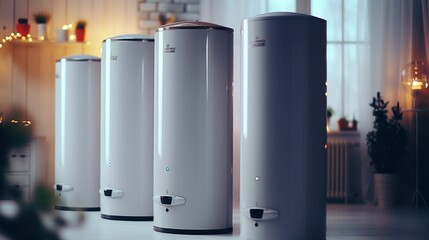
A tank water heater stores and heats a set amount of water in a large tank.
What to Know:
💧 Hot Water Supply: Limited to the tank’s capacity — can run out during high demand.
💧 Energy Efficiency: Continuously heats water to maintain temperature.
💧 Lifespan: Usually lasts 6 years
💧 Cost: Lower upfront cost compared to tankless units.
💧 Space Needed: Requires floor space for the tank.
💧 Recovery Time: Must reheat water after the tank is emptied, which can take time.
💧 Best For: Homes with moderate hot water needs and smaller budgets.
💧 Maintenance: Annual flushing is recommended to remove sediment buildup.
We can take care of this for you.
A tank water heater stores a set amount of water — usually 40–80 gallons — in an insulated tank. The water is heated using gas burners or electric heating elements and kept at a constant temperature until it’s needed.
When you turn on a hot water tap, hot water leaves the tank through the plumbing, and cold water flows in to replace it. This cycle keeps hot water ready at all times — but once the tank is emptied, you’ll need to wait for it to reheat.
Tankless Water Heaters
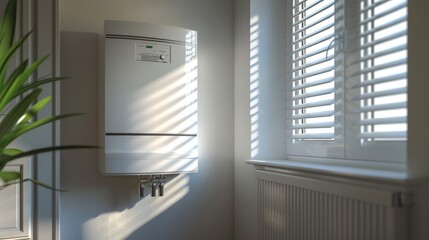
A tankless water heater heats water only when you need it, as it flows through the unit — no storage tank required.
What to Know:
🔥 Hot Water Supply: Endless hot water as long as the demand stays within the unit’s capacity.
🔥 Energy Efficiency: Only heats water on demand, reducing energy waste.
🔥 Lifespan: Typically 20+ years with proper care.
🔥 Cost: Higher upfront cost, but can save more long-term through lower energy bills.
🔥 Space Needed: Compact, wall-mounted design saves space.
🔥 Recovery Time: No recovery time — hot water is produced instantly.
🔥 Maintenance: Regular descaling is recommended, especially in areas with hard water.
🔥 Best For: Larger households or anyone wanting unlimited hot water and higher efficiency.
A tankless water heater, also called an “on-demand” water heater, doesn’t store water at all. Instead, it heats the water instantly as it flows through the unit. When you turn on a hot water tap, cold water runs through a heat exchanger inside the system, where it’s rapidly heated by a gas burner or electric element before traveling to your faucet.
Because there’s no tank to empty, hot water never runs out — and the system only uses energy when hot water is actually needed, making it more efficient.
Which One is Right for You?
Choosing between a tank and a tankless water heater depends on your household size, hot water usage, available space, and budget. At Now Plumbing, we’ll evaluate your needs and help you select the perfect system, installed by experienced professionals who get the job done right the first time.
New Here?
Unlock Your Exclusive Offer!
Click HereThe Hidden Damage From Skipping Maintenance
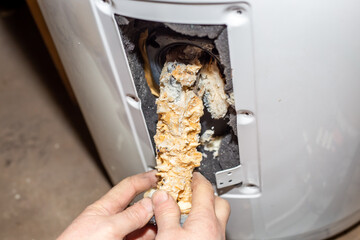
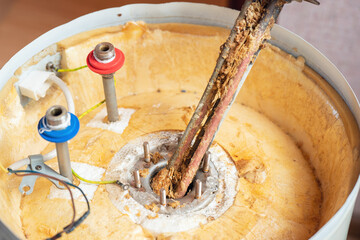
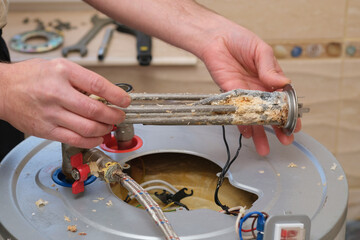

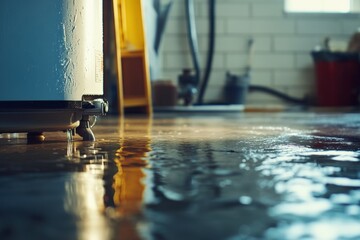
What Happens If You Don’t Flush Your Water Heater Every Year
As your water heater runs, minerals and sediment naturally settle at the bottom of the tank. When the tank isn’t flushed annually, this buildup hardens into thick layers that cause major performance and safety issues. Here’s what can happen:
Common Problems Caused by Sediment Buildup
💧 Reduced Hot Water Output
Sediment takes up space inside the tank, leaving you with less usable hot water.
💧 Longer Heating Times
The burner or heating elements must work overtime to heat through the sediment layer.
💧 Higher Energy Bills
A sediment-clogged tank becomes inefficient, increasing monthly utility costs.
💧 Rumbling or Popping Noises
These sounds occur when superheated water bubbles through hardened sediment — a top sign of overdue maintenance.
💧 Overheating & Internal Damage
Trapped heat can warp the tank, damage components, and drastically shorten its lifespan.
💧 Premature Tank Failure
Most unmaintained tanks fail early, often leaking or bursting due to corrosion and overheating.
💧 Rust-Colored or Dirty Water
Sediment and corrosion can discolor your water and affect taste and smell.
Annual flushing is one of the easiest ways to keep your water heater safe, efficient, and long-lasting. Our team can handle this service for you.

From Our Service to Your Smile – We’ve Got You Covered



Service Locations

Why Choose Now Plumbing?
We Provide Quality Plumbing Solutions, Now
Affordable Financing Options
Our flexible financing options support you however you'd like to pay.
Immediate, Same-Day Service
Don't wait weeks for an appointment. Book us same-day!
Licensed, Insured, Vetted Pros
Our team is fully licensed, insured, and vetted.
24/7 Help Available
We're here to help you whenever you need us.
Your Pipeline to Perfection
Contact Us To Get Started
Customer Reviews
Very knowledgeable, responsive, and professional.!!
– Christian Appleby.
Our gas company referred us to Now Plumbing after we had contacted various plumbing services and they were unable to help. We had a great experience—they are very knowledgeable and have many years of experience. Greg and Jonathan answered all our questions and went above and beyond to accommodate and explain all of the procedures. They were upfront with pricing and provided photos and an itemized receipt, which we personally appreciate.
– Abby Kallstrom.
They did an outstanding job, very professional!
– Grace Mynes.
If I were asked to give a one-word review, the word would be ‘WOW’. Joe and Jonathan from Now Plumbing did a tremendous job. Our gas fireplace was inoperable. The problems and solutions were explained in an understandable manner. They installed a new remote-controlled starter system, replaced the existing sand with decorative stone, and cleaned the logs and grate. The furniture and flooring were protected with many coverings. They were courteous and extremely respectful of our property. Best of all, the fireplace now works perfectly. Too bad I can’t give them more than a 10!
– Bob Wittcoff.
Very knowledgeable, courteous, communicative, and keeps the work area neat. Very happy with their service. They are our plumbers for any future work we should need!!